Choosing the right skill can reshape a young person’s future. Every year, students explore different training paths and try to figure out which course is best in technical education for long-term stability and real growth. Strong vocational training creates a direct route toward stable work, early earnings, and long-term growth. It also helps families strengthen their financial footing.
As industries expand across Pakistan, THF responds to that need through hands-on learning, modern equipment, and partnerships with employers. Graduates step into the market with relevant skills and a clear direction.
Technical Education vs Traditional Education
Traditional education often leans toward theory, which leaves many graduates searching for practical experience after their degree. This gap increases competition and slows down career growth.
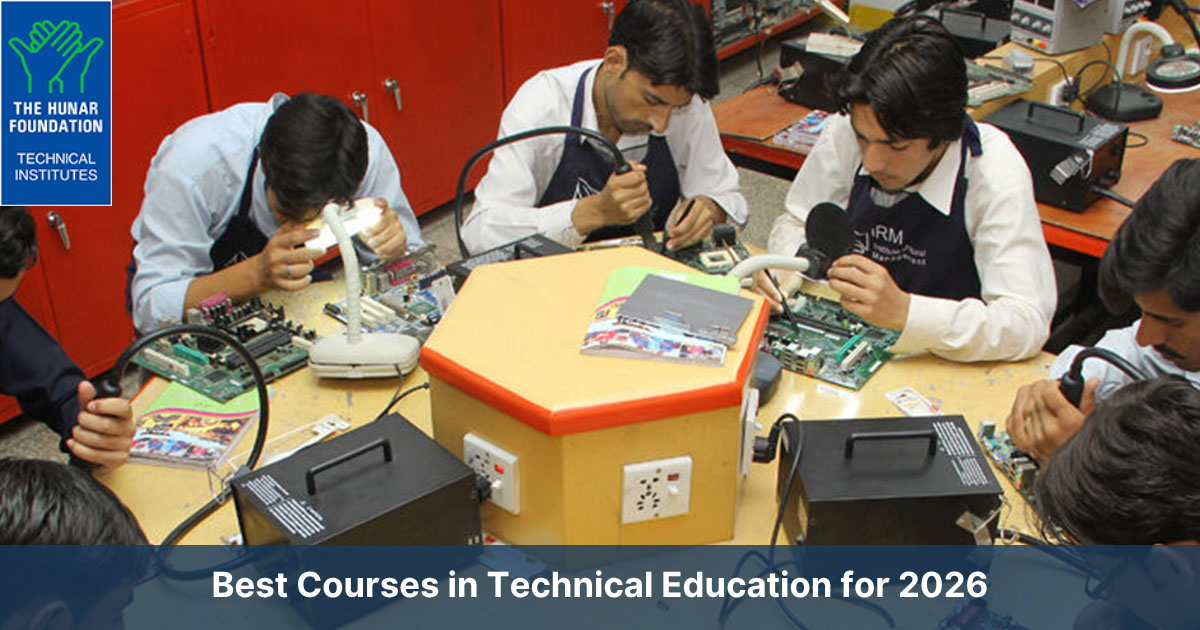
Technical skills create a smoother transition into the workforce. Students step into workshops, industries, or digital environments with the ability to perform from day one. Some even begin independent work or freelancing after gaining experience.
What Technical Education Means Today and Why Its Demand Is Rising
Technical education has evolved into something far more dynamic than the old-school “learn a trade and call it a day” mindset. Industries want people who can move fast, work smart, and pick up practical skills that actually matter on the job. That shift is exactly why so many students and parents now ask Which course is best in technical education? The pressure to pick something future-friendly is real.
Across Pakistan, companies in IT, engineering, design, manufacturing, and digital services want talent that can contribute from day one. They care less about long theory and more about what you can build, fix, operate, or create. So, technical education has become a shortcut to stability. It gives learners a way to step directly into solid roles instead of waiting years to feel job-ready.
This mix of rising demand, skill-focused learning, and faster career entry is what makes technical courses a smart move for anyone who wants a clear direction without getting lost in endless options.
Why Starting Technical Education Early Helps?
Practical Strength from the Start
Learners who begin training soon after matric develop hands-on ability early. This gives them confidence and a competitive edge.
Prompt Entry into Field
Students start earning earlier, often within a year or two. This income supports families and builds direction for the future.
Better Career Self Awareness
Exploring skills early helps students understand what they enjoy and what suits them. They make more informed choices later in their academic and professional journey.
Digital and Freelance Access
Computer and digital skills unlock online earning options through platforms like Fiverr and Upwork. Many students support their studies through freelancing.
Clearer Academic Progression
Once they understand their field, students can choose diplomas or degrees that complement their technical strengths instead of guessing.
Which Course is Best in Technical Education? THF Choice
THF offers some of the most relevant programs for today’s job market. These courses are built around practical workshops, industry tools, and real employment needs.
Electrical and Mechanical Trades
These fields stay consistent in demand across construction, factories, and international markets.
- Solar Technician
- General Electrician (Level 2)
- Industrial Electrician (Level 3)
- HVACR Level 2
- HVACR Level 3
- Pipe Fitter (Plumber) Level 2
- Motorcycle Mechanic Level 2
- Machinist Level 2
- Machinist CNC Level 4
- Welder Level 3
Automotive and Mechatronics
These programs prepare students for modern vehicle systems used in workshops and service centers.
- Automotive Mechatronics
- Auto Electrician (Level 3)
IT and Digital Skills
These courses support careers in computer-based work and digital environments.
- Customer Services and Sales Representative
Creative and Service-Based Skills
These program paths help students develop artistic, interpersonal, and service-focused strengths.
- Hair and Beauty Services Level 2
- Hair and Beauty Services Level 3
- Dress Making Level 2
- Fashion Designing Level 3
- Hospitality Expert Level 2
- Basic Nursing Assistant
Career Paths After Training
Graduates can work in industries, workshops, IT companies, service centers, hospitality environments, or digital agencies. Many choose freelancing in fields like digital design, computer support, or online services. Others launch small businesses after gaining experience.
Students can also advance academically through specialized diplomas and certifications. For example, electrical trainees may pursue DAE programs, while digital students explore advanced IT courses.
Local and International Prospects
Technical training prepares students for opportunities both within Pakistan and abroad. Gulf countries consistently need electricians, HVAC technicians, welders, and plumbers. Skilled professionals often receive competitive salaries and stable contracts. Digital workers also serve global clients online, creating flexible earning potential.
Freelancing and Entrepreneurship
Computer-based learners often move toward freelancing on global platforms. Skilled tradespeople build local businesses such as repair services, maintenance workshops, or home service setups. These paths improve family income while contributing to the community’s economic resilience.
Conclusion
Technical education gives young people a straightforward path toward income, confidence, and long-term stability. When students choose programs that fit their strengths and career goals, they gain the momentum needed to grow, support their families, and contribute to Pakistan’s progress.