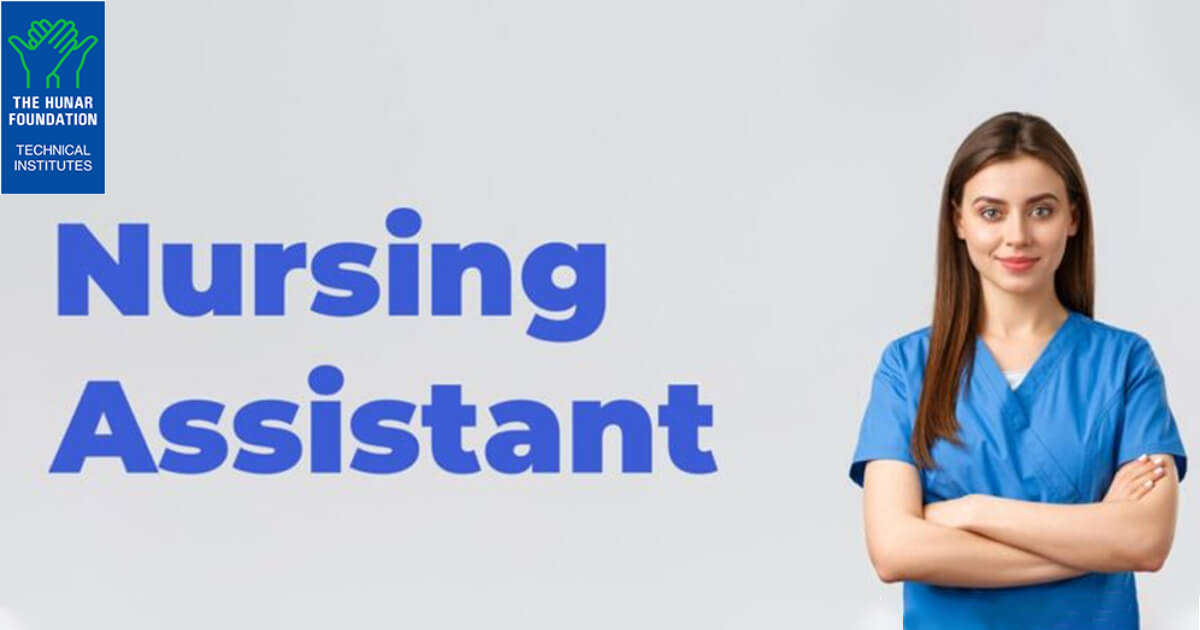
Vocational training offers a practical, impactful way to bridge the gap between one’s potential and their education to career path. Likewise, a nursing assistant course prepares students for entry-level healthcare roles in hospitals, clinics, and patient care facilities. Students learn essential nursing support skills, including monitoring vital signs, patient hygiene, infection control, and basic medical assistance.
The Hunar Foundation (THF) offers Basic Nursing Assistant training through its Hunar Cares initiative, helping students gain practical experience and prepare for healthcare employment.
Who is a Nursing Assistant?
A nursing assistant supports registered nurses with routine patient care. Their responsibilities include helping patients eat, bathe, move safely, and maintain personal hygiene. They also monitor basic health indicators and report concerns to supervising nurses.
Why Choose a Nursing Assistant Course?
A nursing assistant course offers a practical route into healthcare without requiring a university degree. Students receive training in patient care, medical safety, and communication, preparing them for supervised roles in hospitals, clinics, and care facilities.
THF’s Nursing Assistant Course: Empowering Pakistan’s Youth
THF’s Basic Nursing Assistant (BNA) programme combines classroom learning with practical healthcare training. Through Hunar Cares and partnerships with healthcare organisations, THF helps students develop skills for patient care roles.
Students interested in a certified nursing assistant course in Pakistan should distinguish THF’s shorter BNA training from the two-year CNA diploma recognised by the Pakistan Nursing and Midwifery Council (PNMC).
Course Curriculum and Structure
The programme covers basic anatomy, patient care, infection prevention, medical equipment handling, and emergency response.
Students practise monitoring vital signs, assisting with patient mobility, maintaining hygiene, and communicating with healthcare teams. Supervised practical training helps them apply these skills in clinical settings.
Eligibility Criteria and Program Duration
Educational Qualification
THF’s general BNA guidance requires Matric or an equivalent qualification. Its six-month training pathway with Indus Hospital & Health Network specifically requires Matric Science (Biology) with at least 50% marks.
Age Requirements
THF’s published BNA guidance lists an age range of 18 to 45 years. Students should confirm the requirements for their chosen intake.
These limits encourage both young school-leavers and older individuals seeking a career change to join the healthcare workforce.
Program Duration
THF describes its BNA training as lasting 6 to 12 months, depending on the training centre. Its programme in partnership with Indus Hospital & Health Network runs for six months.
Training includes classroom instruction, practical exercises, and supervised clinical learning.
Career Pathways After Completion
Graduates can pursue entry-level positions as nursing assistants, patient care attendants, and healthcare support workers.
Employment opportunities may be available in private hospitals, clinics, nursing homes, rehabilitation centres, and home healthcare services. Further qualifications and experience can support career progression.
Skills You Will Learn
By the end of the course, students will learn the following:
- Monitoring vital signs (temperature, blood pressure, etc.)
- Assisting patients with daily activities
- First aid and emergency response
- Proper handling of medical tools
- Communication and teamwork
Traits of a Great Nursing Assistant
To succeed, you must have:
- Compassion and patience
- Good communication skills
- Physical strength and stamina
- Attention to detail
- A positive and responsible attitude
Job Roles and Work Settings
The CNA diploma scope in Pakistan includes patient care and nursing support opportunities across different healthcare settings.
Qualified nursing assistants may work as:
- Patient care attendants in hospitals
- Nursing aides in clinics and care homes
- Home healthcare assistants
- Rehabilitation support assistants
- Ward assistants in healthcare facilities
The two-year CNA diploma follows PNMC requirements, while THF’s BNA programme provides a shorter healthcare support training pathway. Job eligibility depends on the qualification and employer requirements.
Support for Parents and Donors
THF’s healthcare training programmes help young people develop practical skills for employment. Through Hunar Cares, donors and partners can support vocational education that connects students with healthcare career opportunities.
How THF Creates Impact Through Skills
THF launched its Basic Nursing Assistant programme in January 2023 with 49 students. Through healthcare partnerships, practical training, and placement support, the initiative prepares graduates for patient care roles.
Students can explore Hunar Cares programmes to learn more about available training.
How to Enroll at THF
Students can visit The Hunar Foundation admissions to check current course availability, eligibility, and application requirements.
Applicants should confirm the training centre, programme duration, and required documents before submitting their applications.