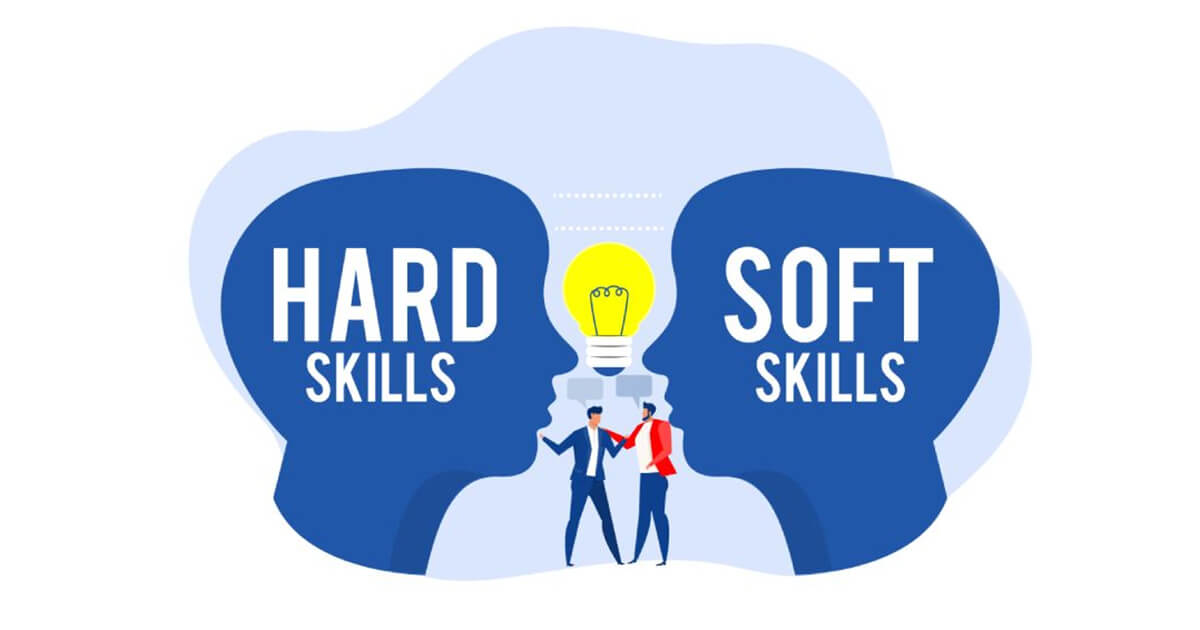
What matters more, soft skills or hard skills? This question feels even more critical today because employers want talent that can perform tasks with confidence and also work well with people. Many students desire clear guidance, and many parents want a path that leads to stable work. This is where The Hunar Foundation comes in. THF strengthens both technical ability and personal development, giving learners a chance to break barriers, support their families, and change their future.
As you move through this guide, you will see how soft skills and hard skills work together and why both matter for better jobs and a stronger Pakistan.
What Are Hard Skills?
These traits refer to technical abilities you gain through training, education, or structured practice. These include electrical wiring, plumbing, refrigeration, coding, or graphic design. You can measure these competencies through tests, certifications, and real tasks.
Moreover, employers look for these capabilities when they hire for technical roles. At THF, learners build strong technical foundations through hands-on workshops and industry-aligned programs.
What Are Soft Skills?
Soft skills refer to personal qualities that help you communicate, solve problems, and work well with teams. These traits allow you to stay confident during challenges and adapt to new environments. They shape how you behave at work and how you connect with others.
Besides, THF builds these qualities through group projects, guided mentoring, and exposure to workplace expectations.
Key Differences Between Hard Skills vs Soft Skills
| Aspect | Hard | Soft |
|---|---|---|
| Measurement | Measured through tests, certifications, or completed tasks | Judged through behaviour, communication, and response to pressure |
| Application | Used for duties linked to technical roles | Used across roles to support teamwork, problem-solving, and communication |
| How You Learn | Gained through training, workshops, and structured practice | Developed through experience, feedback, and daily interactions |
| Impact at Work | Helps you perform precise tasks correctly | Enables you to collaborate, adapt, and communicate clearly |
Hard Skills Examples
- Electrical installation
- Plumbing and pipe work
- Welding and fabrication
- HVAC and refrigeration
- Coding and digital tools
- Data entry and computer literacy
THF teaches these technical abilities through industry-level equipment and structured instruction.
Examples of Soft Skills
- Time management
- Communication
- Teamwork
- Problem solving
- Critical thinking
- Creativity
The Hunar Foundation training environment strengthens these qualities through practical activities that prepare students for modern workplaces.
Hybrid Skills: A Powerful Combination
Some roles require a mix of both technical knowledge and interpersonal strength. Project management needs precise planning and strong leadership. Customer service involves system knowledge and patient communication. Digital design needs software mastery and creativity.
Why Both Matter in Education
Students need soft skills and hard skills to grow through vocational training. Technical ability helps them use tools and understand processes. Personal strengths help them manage time, communicate clearly, and work well with groups. THF blends both through practical learning that builds confidence and work readiness.
Why Both Matter in the Workplace
Employees use technical knowledge to perform tasks, yet they rely on interpersonal qualities to handle pressure, solve problems, and support their team. Many employers value strong behaviour and communication because these traits create a positive work environment. The Hunar Foundation prepares young pupils for this balance so they can adjust to changing workplace needs.
How These Abilities Shape Career Growth
Technical training helps you enter a job, but communication, leadership, and decision-making help you grow. Many employers promote people who know how to manage teams and guide projects. THF enables learners to understand this balance so they can build long-term careers instead of short-term jobs.
How These Abilities Improve Personal Life
Many young people overlook how soft skills and hard skills shape personal life. Technical knowledge, like budgeting or basic repairs, helps you solve daily problems. Personal qualities like empathy and communication help you maintain strong relationships.
When Hard Skills Matter Most
Technical competence matters in engineering, healthcare, and data analysis. These fields depend on precision, safety, and accuracy. THF’s programs focus on these standards because students need strong foundations to perform effectively.
When Soft Skills Matter Most
Interpersonal strengths matter most when your work involves people every day. Customer service, sales, supervision, and hospitality rely on clear communication, patience, and empathy. In these situations, technical ability helps, but your behaviour, attitude, and response under pressure decide the final outcome.
How Employers Assess You
Employers use hands-on tests, interviews, and team activities to understand how you perform. They observe your technical work, but they also pay close attention to how you communicate, how you react in stressful moments, and how well you collaborate. These observations help them judge both your capability and your mindset.
How to Show Your Strengths on Your Resume
Most people highlight only technical knowledge, which leaves out important qualities. Employers want to see teamwork, communication, and adaptability as well. You can list them in a short section, or you can describe moments where you solved a problem, supported a team, or handled a challenge with confidence.
How to Build Both Types of Skills
If you want to develop both types of abilities, start with a few steps:
- Identify your strengths and weaknesses
- Enrol in relevant courses
- Seek guidance from mentors
- Practice communication with confidence
- Join training programs like THF that strengthen both
This combined approach helps you build a stable future.
How THF Develops Job-Ready Youth
The Hunar Foundation blends practical training with personal development. Learners gain industry-required tools while also learning teamwork, discipline, and problem-solving. Moreover, many graduates secure jobs quickly because they understand the balance between soft skills and hard skills. With this support, they uplift their families, reduce financial stress, and contribute to Pakistan’s growth.